After the Glitch: The Visual Languages Replacing Digital Decay
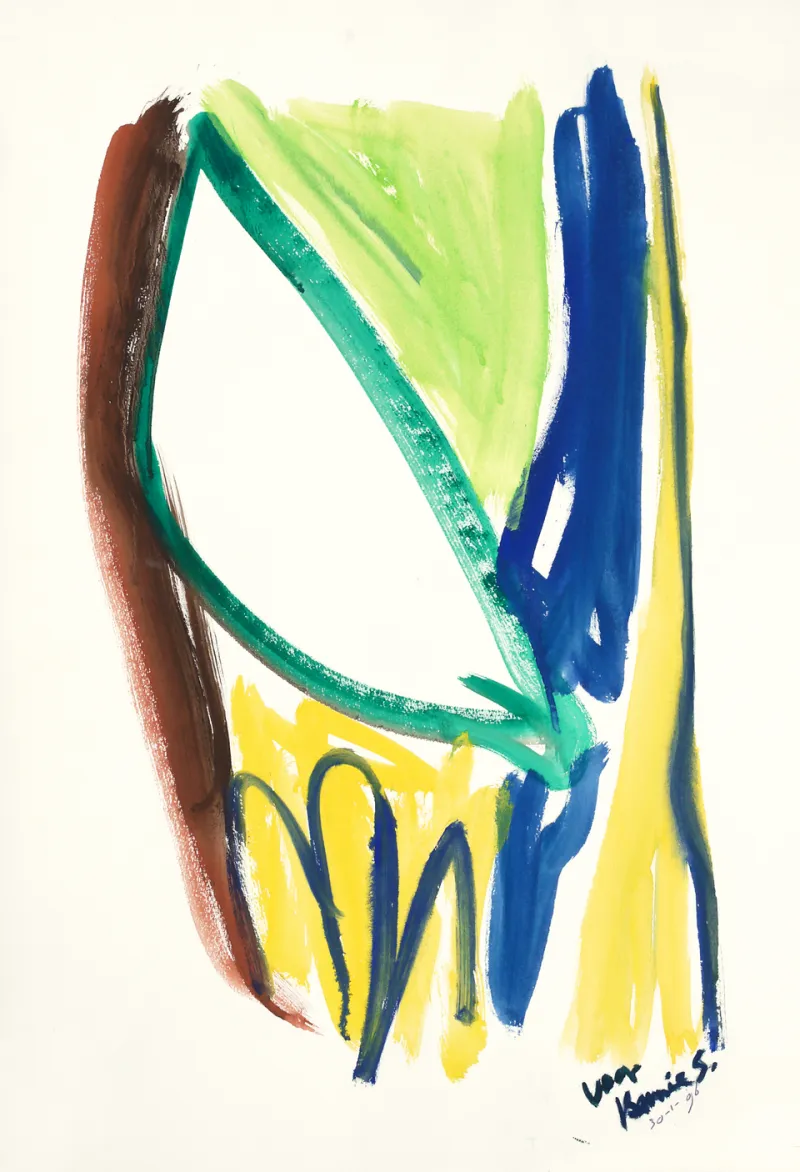
Photo: Fons Heijnsbroek from Amsterdam, The Netherlands, CC0, via Wikimedia Commons
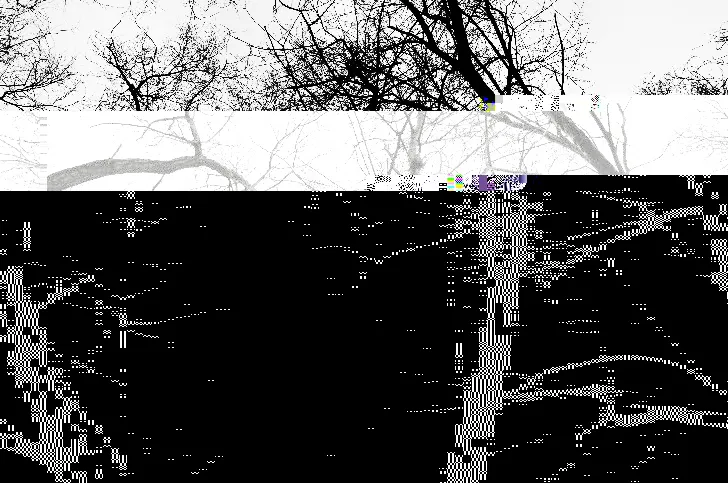
There's a specific moment when a subculture dies in plain sight. Not with a bang, but with a brand deal. For the glitch aesthetic — that raw, corrupted-data visual language born from early net art, demoscene culture, and artists like Rosa Menkman and Cory Arcangel — that moment arrived somewhere around 2021, when luxury fashion houses started running runway campaigns that looked like corrupted VHS tapes on purpose.
The irony is almost too clean. An aesthetic that began as a refusal of polish, a celebration of the machine breaking down, became the polish itself.
Now, in 2024, a growing number of digital artists are quietly walking away from it. And what they're moving toward says a lot about where experimental visual culture is actually headed.
What Made Glitch Feel Dangerous in the First Place
To understand the departure, you have to understand the arrival. Glitch art, at its most radical, wasn't just about making things look broken. It was a philosophical stance — a way of exposing the hidden architecture beneath digital surfaces. When you datamosh a video file or corrupt a bitmap by opening it in a text editor and deleting random chunks, you're not just making something weird-looking. You're revealing that the clean image was always a kind of lie, a smooth surface over a messy substrate.
That idea had real teeth. It resonated with artists who were suspicious of the increasingly glossy, optimized world of early social media. The broken image was a refusal.
But refusals have shelf lives. Once enough people are buying the refusal at a mall kiosk, the refusal stops refusing anything.
"There's nothing wrong with glitch as a technique," says one Brooklyn-based digital artist who asked to remain anonymous. "The problem is that it became a shorthand for 'this is experimental' without actually being experimental anymore. You can't disrupt a system from inside a template."
The New Visual Territories
So what's filling the vacuum? A few distinct directions are emerging, and they're less unified than the glitch era was — which might actually be the point.
Hyper-Mundane Rendering
One thread involves a strange obsession with the aggressively ordinary. Artists are generating or hand-crafting images of fluorescent-lit parking garages, generic office carpeting, the inside of a suburban refrigerator — but rendering them with an uncanny precision that tips the mundane into the deeply unsettling. Think liminal spaces, but less focused on nostalgia and more interested in the specific texture of contemporary American nowhere.
The visual language here borrows from architectural photography and real estate listings, then twists the knife. It's less about decay and more about the horror of perfect preservation.
Signal Overload as Composition
Another direction flips the script on minimalism entirely. Where glitch isolated and emphasized a single moment of breakdown, some artists are now working with pure density — layering UI elements, scrolling text feeds, overlapping video streams, notification badges, and loading bars into compositions that feel genuinely overwhelming. The point isn't chaos for chaos's sake. It's closer to an honest portrait of what it actually feels like to be online in 2024.
Artist and creative director Mara Delacroix, whose work has appeared in several digital group shows across New York and Los Angeles this year, describes it as "trying to make the feeling of 11 browser tabs visible as a single image."
Biological Texture in Digital Space
Perhaps the most unexpected direction involves a turn toward the organic. A cluster of artists working across generative AI tools, 3D modeling software, and traditional media are creating work that deliberately introduces biological textures — moss, skin, mycelium, the inside of a mouth — into digital environments. The result is a kind of productive wrongness, images that feel like they're breathing when they shouldn't be able to.
This direction feels like a direct response to the sleek, cold aesthetic that dominated tech-adjacent visual culture for the better part of a decade. It's warm where glitch was cold. It's uncomfortably alive where glitch was triumphantly dead.
The Commodification Problem Isn't Going Away
Here's the uncomfortable truth lurking under all of this: every one of these emerging aesthetics is already on its way to being absorbed. The hyper-mundane look is already showing up in indie brand photography. Signal overload is a music video treatment waiting to be pitched. The biological-digital hybrid has been circling luxury skincare campaigns for months.
The speed of aesthetic commodification has accelerated to the point where the gap between underground innovation and commercial adoption can be measured in months rather than years. Artists know this. The more self-aware ones are building it into their practice — making work that's intentionally difficult to replicate, or leaning into impermanence and site-specificity in ways that resist easy reproduction.
Others are simply accepting the cycle and trying to stay one step ahead of it, treating the commercial absorption of their work as a kind of external clock that tells them when to move on.
Where the Signal Actually Lives
What's interesting about this post-glitch moment is that the most genuinely experimental work isn't really about aesthetics at all. The artists doing the most disruptive things in 2024 are often focused less on how things look and more on how they circulate, who controls them, and what assumptions about authorship and audience they're quietly dismantling.
The visual surface matters less than the structural question underneath it: who is this for, and what does it expect from you?
That might be the real inheritance of the glitch era — not a look, but a suspicion. A habit of asking what the clean surface is hiding and whether breaking it open still tells you anything true.
The glitch aesthetic is dead. But the impulse that created it is very much alive, just wearing different clothes, living in different corners of the internet, and probably already being pitched to a brand you've heard of.
That's the thing about signals at the edge of legibility. By the time you can read them clearly, they've already moved on.