Liked Into Existence: How Your Video History Is Writing a Biography You Never Agreed To
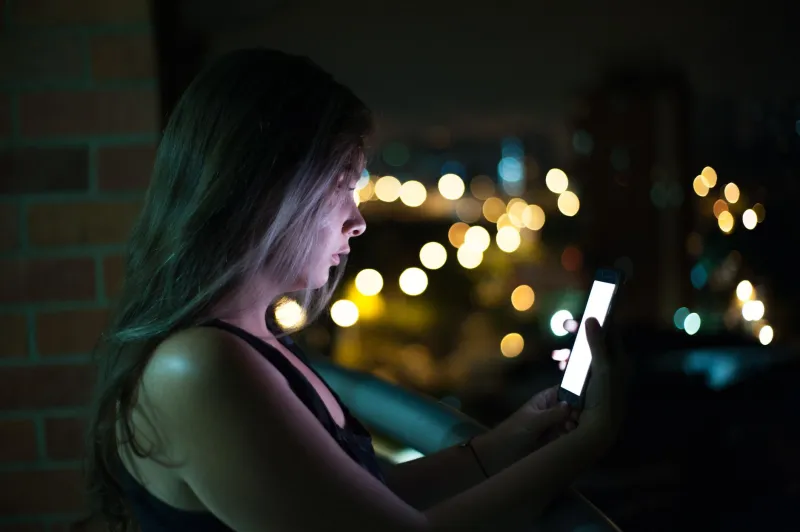
Open your liked videos. Not the ones you meant to like — all of them. The embarrassing deep-dives into obscure hobby content. The ten-second clip you don't even remember watching. The motivational video you tapped during a rough Tuesday that you'd never admit to in polite company.
Now ask yourself: who is that person?
Because here's the thing nobody really talks about when we discuss algorithms and data and surveillance capitalism — your engagement trail isn't just a record of what you watched. It's a kind of diary. One you've been keeping without a pen, without intention, and without the option to edit the embarrassing parts before someone else reads it.
The Ghost in the Queue
Most of us have two versions of our media life. There's the one we'd show a first date — the documentaries, the prestige drama, the thoughtful podcast clips. And then there's the actual history. The thing that lives on the server somewhere, timestamped and categorized, quietly accumulating.
Dr. Priya Mehta, a behavioral psychologist who studies digital identity at a research university in Chicago, calls this the "shadow autobiography." The idea is that our conscious self curates an identity for public consumption, but our unconscious self keeps tapping, liking, and saving based on what it actually needs. "The gap between those two things," she says, "is often where the most interesting psychological material lives."
Think about what your liked videos looked like two years ago versus now. If you're honest, there's probably a story in that shift. The person who was obsessively watching apartment organization videos during a period of feeling out of control. The string of late-night comedy clips that cluster around a specific anxious stretch of months. The sudden pivot toward nature documentaries after something difficult happened.
You didn't narrate any of that. But it got written anyway.
Curiosity as Confession
One of the stranger things about engagement data is how much it captures not just what we enjoy, but what we're afraid of, what we're trying to solve, and what we're quietly rehearsing for.
Scroll far enough back in most people's watch history and you'll find what researchers sometimes call "rehearsal content" — videos about difficult conversations, about leaving jobs, about navigating relationships, about grief. Nobody watches a fifteen-minute breakdown of "how to know when to quit" because things are going great. The algorithm doesn't know that, exactly, but it responds. It starts feeding you adjacent material. And before long, you've accidentally mapped out a whole interior crisis in video form.
Marco Reyes, a data artist based in Brooklyn who works with personal datasets to create visual installations, has spent years asking people to hand over their watch histories and liked video archives. What he finds, consistently, is that the data tells a more coherent story than the person expected. "People come in thinking their history is random," he says. "They leave realizing it has chapters."
His most recent piece involved overlaying a subject's YouTube likes against major life events they self-reported. The overlap was striking. Not perfect — life is messier than that — but the content clusters around moments of transition were hard to ignore. Job losses. Moves. The end of relationships. The beginning of new ones. "The algorithm didn't cause any of it," Reyes is careful to note. "But the data caught it. Like a seismograph."
The Problem With the Mirror
Here's where it gets complicated. If your liked videos are revealing something true about you — your anxieties, your growth, your private rehearsals for a life you're still figuring out — then what do you do with that information?
The uncomfortable answer is: mostly nothing. Because the system isn't designed to give you insight. It's designed to keep you watching.
The algorithm that's quietly assembling your shadow autobiography isn't doing it to help you understand yourself. It's doing it to predict what you'll tap next. There's a meaningful difference between a mirror and a surveillance camera, even when they're pointed at the same face.
Dr. Mehta is thoughtful about this distinction. "The data captures something real," she says, "but it captures it in service of engagement, not reflection. So you might get a very accurate picture of your anxieties — and then be served more content that amplifies those anxieties, rather than anything that helps you process them."
That's the loop most people don't think about. Your curiosity about something difficult becomes a signal. The signal generates more content in that direction. You watch more. The portrait gets more detailed. And the whole time, nobody's asking whether this is actually good for you.
Reading Your Own Archive
Some people are starting to do something radical: actually going back and reading their own data. Not in a paranoid way — in a genuinely curious one.
There's a loose community of people online (naturally) who share screenshots of their own watch histories annotated with what was happening in their lives at the time. It's part confession, part archaeology, part therapy. The results are often unexpectedly moving. Someone realizing they spent six months watching homesteading videos before they finally quit their corporate job. Another person noticing that their liked videos skewed heavily toward content about forgiveness in the months after a family falling-out.
It's not a perfect science. Plenty of liked videos are just funny cats. But the patterns, when you're honest enough to look for them, have a way of showing up.
Reyes has started encouraging the subjects of his installations to sit with their own data before he turns it into art. "Most people are surprised by how much compassion they feel for themselves," he says. "When you see the shape of your own confusion laid out visually, it's hard not to feel a little tender about it."
Becoming, Not Being
Maybe the most interesting thing about your liked video history isn't what it says about who you are. It's what it says about who you were in the middle of becoming someone else.
Identity, in real life, isn't a fixed point. It's a process. You don't wake up one day and decide to care about a new thing — you find yourself watching videos about it at midnight, almost by accident, until one day you realize you've quietly changed.
The curated version of yourself — the bio, the public playlists, the posts you actually publish — tends to reflect a finished thought. But the liked video archive is all rough draft. All the questions you asked before you had answers. All the things you were trying on before you knew if they fit.
That's not nothing. In fact, it might be the realest document you've ever produced.
Somewhere in there, between the comfort content and the 3am rabbit holes and the videos you liked and then immediately forgot, a version of you is trying to figure something out. The signal keeps breaking. But if you look closely enough at the static, meaning has a way of surfacing anyway.